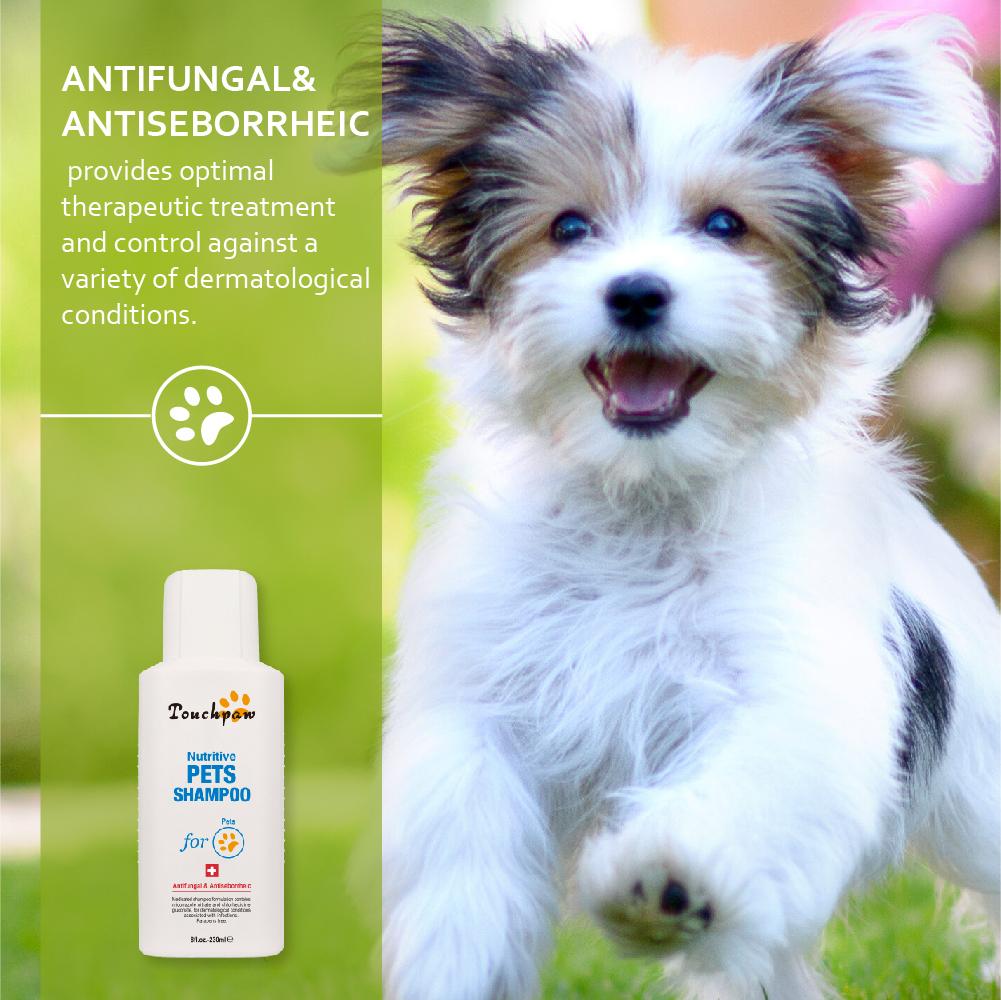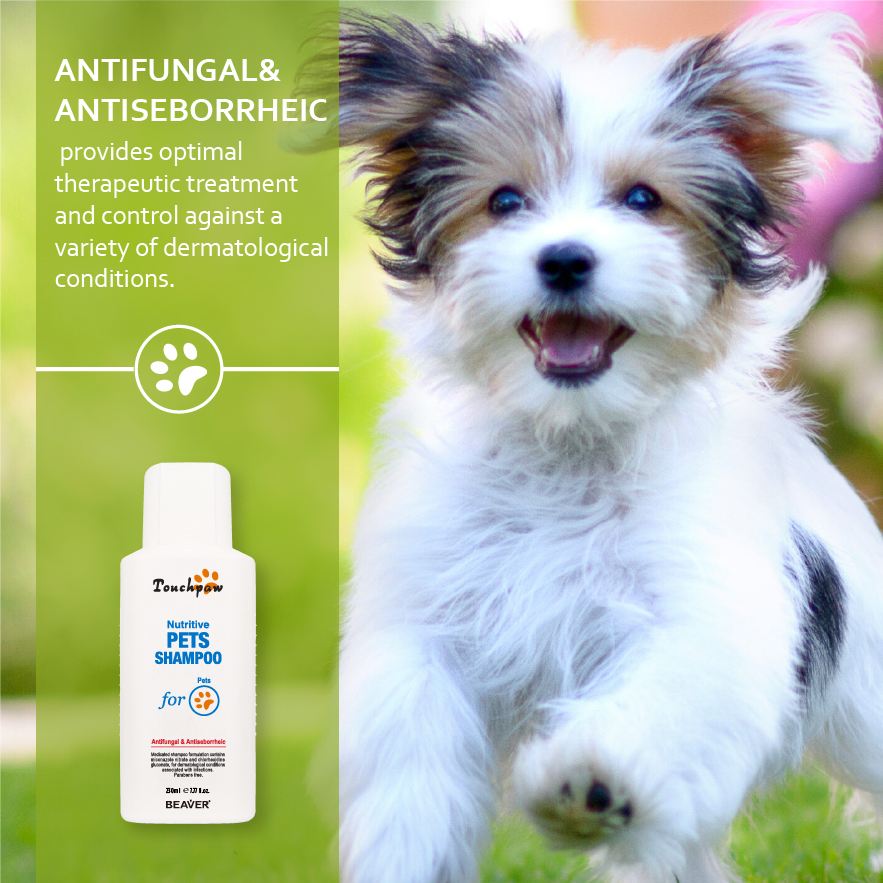
Antifungal & Antiseborrheic Pet Shampoo: A Comprehensive Guide
2025-01-17
Antifungal & Antiseborrheic Pet Shampoo: A Comprehensive Guide
What Are They?
- Antifungal Shampoo: Designed to treat fungal infections on pets' skin, like ringworm or yeast infections. These shampoos often contain ingredients like miconazole, ketoconazole, or chlorhexidine.
- Antiseborrheic Shampoo: Used to manage seborrhea, a skin condition characterized by excessive scaling and greasiness of the skin, often seen in dogs. Ingredients might include sulfur, salicylic acid, or coal tar to help normalize oil production and exfoliate dead skin.
Key Ingredients:
For Antifungal Shampoos:
- Miconazole: Effective against a broad spectrum of fungi.
- Ketoconazole: Known for its antifungal and anti-inflammatory properties.
- Chlorhexidine: Provides antibacterial and antifungal action.
For Antiseborrheic Shampoos:
- Sulfur: Helps reduce oiliness and scaling.
- Salicylic Acid: Assists in removing dead skin cells and softening the skin.
- Coal Tar: Can reduce scaling and itching associated with seborrhea.

Usage:
- Frequency: Typically used once or twice a week, but follow the vet's or product's instructions for the specific condition.
- Application:
- Wet your pet's coat thoroughly with warm water.
- Apply the shampoo, ensuring to lather well, especially in affected areas.
- Leave it on for the time recommended (usually 5-10 minutes).
- Rinse thoroughly to remove all shampoo residue.
Considerations:
- Skin Sensitivity: Some pets might have sensitive skin, so start with a patch test or consult your vet.
- Combination Products: Some shampoos combine both antifungal and antiseborrheic properties for pets with multiple skin issues.
- Professional Advice: Always consult with a veterinarian before starting any new treatment regimen, especially if your pet has pre-existing health conditions.
Tips for Effective Use:
- Follow Through: Complete the full course of treatment even if symptoms seem to improve to prevent recurrence.
- Avoid Contact: Be careful to avoid getting shampoo in your pet’s eyes, ears, or mouth.
- Post-Bath Care: Dry your pet thoroughly after bathing to prevent skin irritation or fungal growth due to moisture.
Conclusion:
Using an antifungal or antiseborrheic shampoo can significantly improve your pet's skin health, but selecting the right product and using it correctly is crucial. Always pair the treatment with a good diet, proper grooming, and veterinary care for the best results. Remember, while these shampoos can manage symptoms, they might not cure underlying conditions, so veterinary oversight is essential.
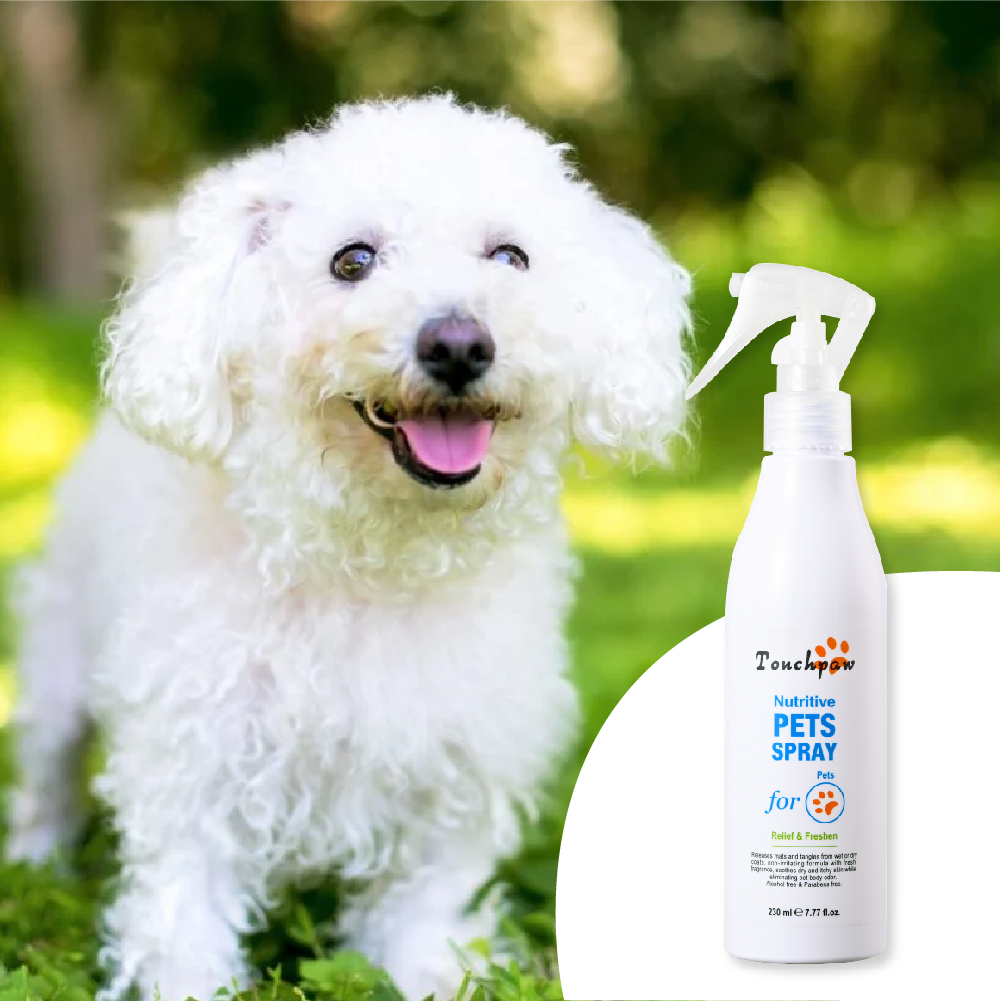
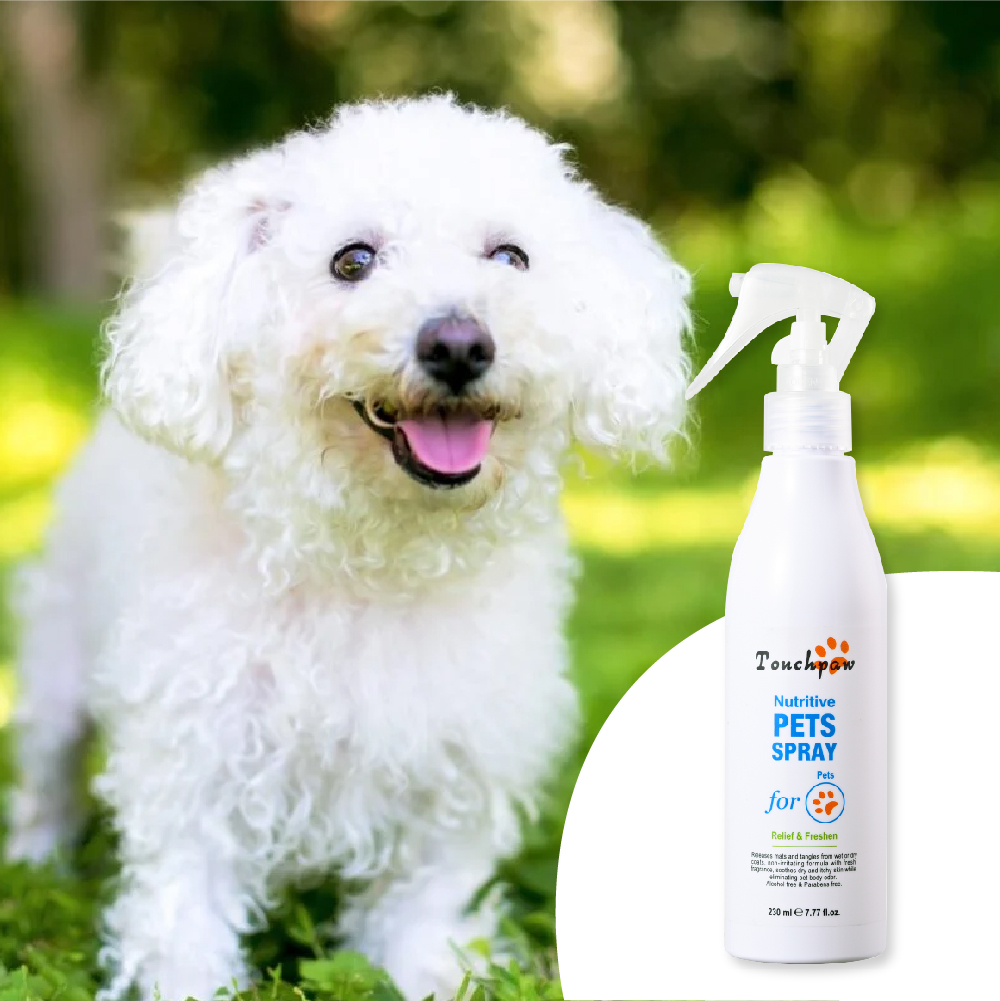
What is Relief & Fresh Pets Spray?
Relief & Fresh Pets Spray
Related Article